Keith Vaughan
1912–1977Keith Vaughan (1912–1977) was a British painter, draughtsman and writer whose work centred on the male figure, often set within landscape. Emerging from the Neo-Romantic climate of the 1940s, he gradually developed a more structured and increasingly abstract language in which the human body and landscape became closely intertwined.
Born at Selsey Bill, Sussex, Vaughan attended Christ’s Hospital and received no formal art-school training. He worked for the Lintas advertising agency during the 1930s, painting in his spare time, before leaving in 1939 to concentrate on art. During the Second World War he registered as a conscientious objector and served in the Non-Combatant Corps, later working as an interpreter at a prisoner-of-war camp. After the war he taught at Camberwell School of Art and later at the Central School and the Slade.
His early post-war paintings frequently combine figures with dream-like landscapes, reflecting the influence of Graham Sutherland as well as Vaughan’s own interest in the ballet and the expressive possibilities of the body. The male figure became his central subject, often functioning not as portraiture but as a means of exploring relationships between body, space and landscape.
The Redfern Gallery played an important role in Vaughan’s early career. It presented a solo exhibition of his gouaches in 1950 and, in 1952, mounted his first retrospective exhibition. The gallery continued to maintain a connection with his work after his death, presenting Keith Vaughan: 1912–1977 in 1983 and Keith Vaughan: Works on Paper in 1994.
During the 1950s Vaughan increasingly used mythological and literary subjects to explore personal experience. Theseus and the Minotaur was included in the Arts Council’s Sixty Paintings for ’51, organised for the Festival of Britain, and he was also included in Patrick Heron’s influential exhibition Space in Colour in 1953. His work began entering major public collections during this period, including Tate.
From the later 1950s Vaughan moved away from elaborate preparatory drawing and towards a freer, more direct method of painting. The Lazarus series marked an important stage in this development, while his large charcoal drawings of the early 1960s reveal a similarly energetic treatment of the figure. His paintings increasingly absorbed lessons from Cézanne, Picasso and Cubism while retaining the emotional intensity of his earlier work.
Vaughan also travelled widely and spent time in the United States, including a residency at the State University of Iowa, followed by a visit to Mexico. He made frequent visits to Cornwall, where he stayed with Patrick Heron and produced paintings inspired by the landscape of west Cornwall.
In 1962 Bryan Robertson organised a major retrospective at the Whitechapel Gallery. Vaughan continued to exhibit widely throughout the 1960s and 1970s and was appointed CBE in 1965. His journals, published after his death, have become an important record of his thoughts on painting, sexuality, relationships and the pressures of artistic life.
His work is held in major public collections including Tate, the National Portrait Gallery, the Victoria and Albert Museum, the Imperial War Museum and the British Council Collection.
Works
-
 Keith VaughanNude, c.1960Pencil on paper19.5 x 26cm%3Cdiv%20class%3D%22artist%22%3E%3Cspan%20class%3D%22artist%22%3E%3Cstrong%3EKeith%20Vaughan%3C/strong%3E%3C/span%3E%3C/div%3E%0D%3Cdiv%20class%3D%22title%22%3E%3Cem%3ENude%3C/em%3E%2C%20c.1960%3C/div%3E%0D%3Cdiv%20class%3D%22medium%22%3EPencil%20on%20paper%3C/div%3E%0D%3Cdiv%20class%3D%22dimensions%22%3E19.5%20x%2026cm%3C/div%3E
-
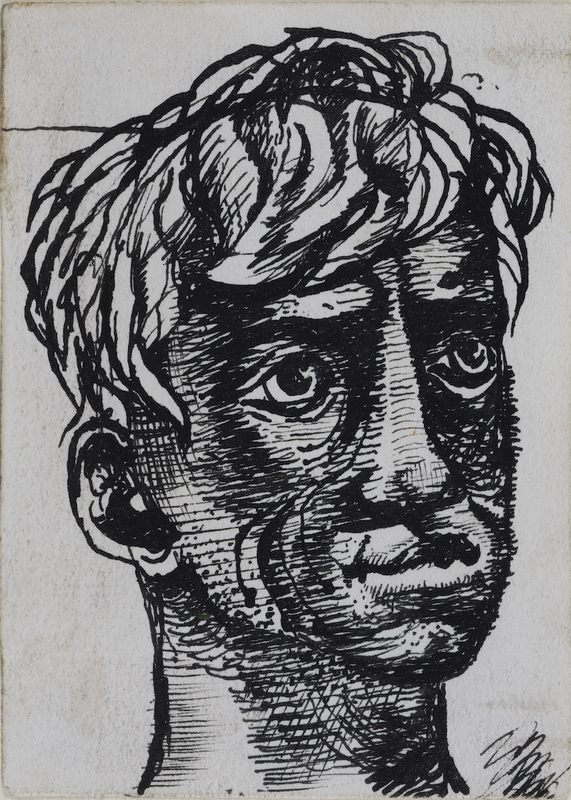 Keith VaughanHead of a Young Man, c.1940Ink on paper9 x 6.5cm%3Cdiv%20class%3D%22artist%22%3E%3Cspan%20class%3D%22artist%22%3E%3Cstrong%3EKeith%20Vaughan%3C/strong%3E%3C/span%3E%3C/div%3E%0D%3Cdiv%20class%3D%22title%22%3E%3Cem%3EHead%20of%20a%20Young%20Man%3C/em%3E%2C%20c.1940%3C/div%3E%0D%3Cdiv%20class%3D%22medium%22%3EInk%20on%20paper%3C/div%3E%0D%3Cdiv%20class%3D%22dimensions%22%3E9%20x%206.5cm%3C/div%3E
-
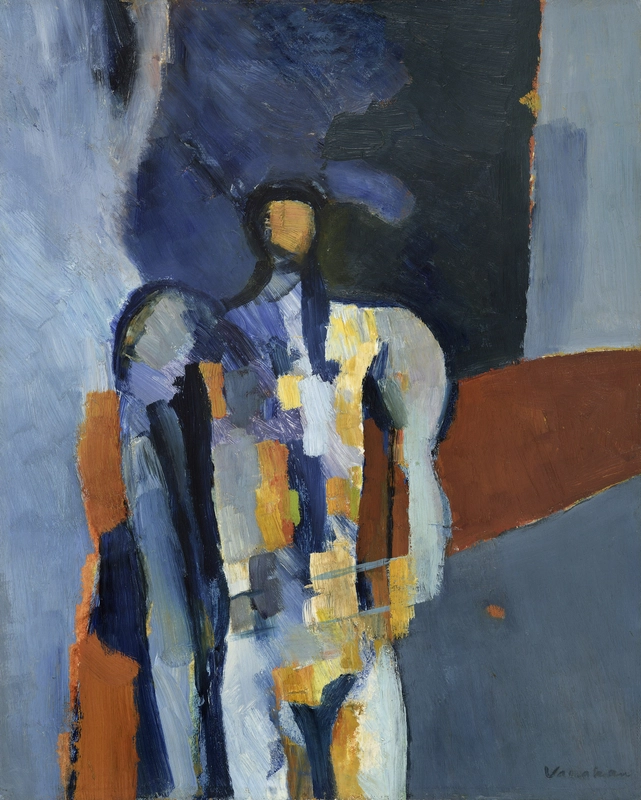 Keith VaughanStudy for Lazarus I, 1957Oil on board43 x 34 cmSigned lower right; titled and dated verso%3Cdiv%20class%3D%22artist%22%3E%3Cspan%20class%3D%22artist%22%3E%3Cstrong%3EKeith%20Vaughan%3C/strong%3E%3C/span%3E%3C/div%3E%0D%3Cdiv%20class%3D%22title%22%3E%3Cem%3EStudy%20for%20Lazarus%20I%3C/em%3E%2C%201957%3C/div%3E%0D%3Cdiv%20class%3D%22signed_and_dated%22%3ESigned%20lower%20right%3B%20titled%20and%20dated%20verso%3C/div%3E%0D%3Cdiv%20class%3D%22medium%22%3EOil%20on%20board%3C/div%3E%0D%3Cdiv%20class%3D%22dimensions%22%3E43%20x%2034%20cm%3C/div%3E
-
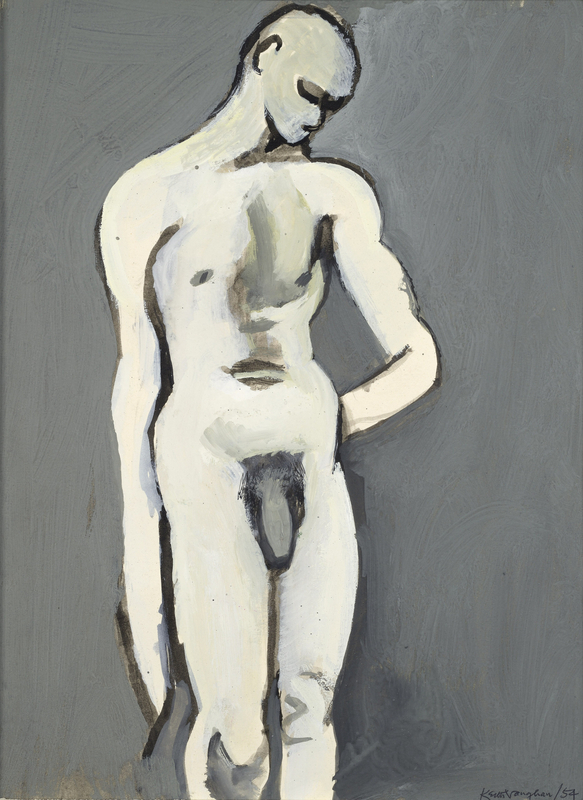 Keith VaughanGrey Bather, 1954Gouache on paper29 x 22 cmSigned and dated lower right%3Cdiv%20class%3D%22artist%22%3E%3Cspan%20class%3D%22artist%22%3E%3Cstrong%3EKeith%20Vaughan%3C/strong%3E%3C/span%3E%3C/div%3E%0D%3Cdiv%20class%3D%22title%22%3E%3Cem%3EGrey%20Bather%3C/em%3E%2C%201954%3C/div%3E%0D%3Cdiv%20class%3D%22signed_and_dated%22%3ESigned%20and%20dated%20lower%20right%3C/div%3E%0D%3Cdiv%20class%3D%22medium%22%3EGouache%20on%20paper%3C/div%3E%0D%3Cdiv%20class%3D%22dimensions%22%3E29%20x%2022%20cm%3C/div%3E
-
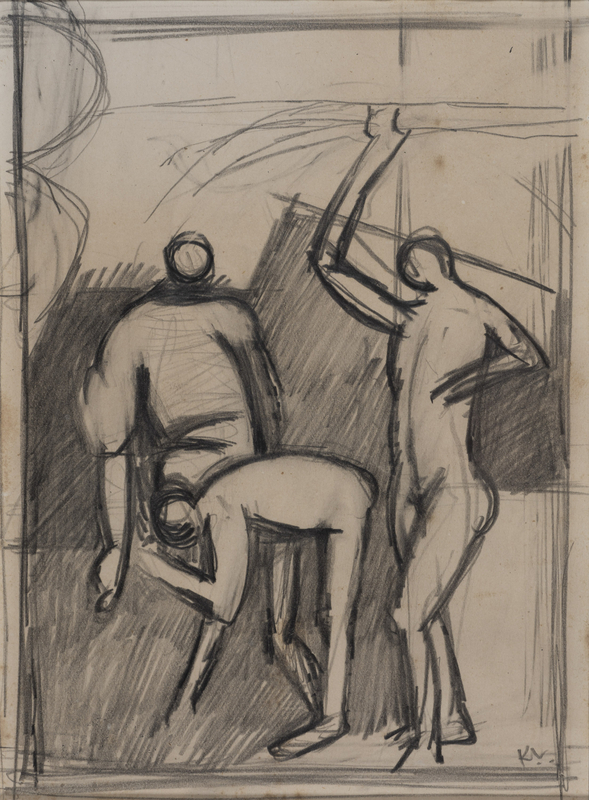 Keith VaughanStudy for 'Three Figures', 1952 (c.)Pencil on paper17 x 12.5 cmInitialled lower right%3Cdiv%20class%3D%22artist%22%3E%3Cspan%20class%3D%22artist%22%3E%3Cstrong%3EKeith%20Vaughan%3C/strong%3E%3C/span%3E%3C/div%3E%0D%3Cdiv%20class%3D%22title%22%3E%3Cem%3EStudy%20for%20%27Three%20Figures%27%3C/em%3E%2C%201952%20%28c.%29%3C/div%3E%0D%3Cdiv%20class%3D%22signed_and_dated%22%3EInitialled%20lower%20right%3C/div%3E%0D%3Cdiv%20class%3D%22medium%22%3EPencil%20on%20paper%3C/div%3E%0D%3Cdiv%20class%3D%22dimensions%22%3E17%20x%2012.5%20cm%3C/div%3E
-
 Keith VaughanFestival Dancers, 1951Lithograph70.2 x 45 cm%3Cdiv%20class%3D%22artist%22%3E%3Cspan%20class%3D%22artist%22%3E%3Cstrong%3EKeith%20Vaughan%3C/strong%3E%3C/span%3E%3C/div%3E%0D%3Cdiv%20class%3D%22title%22%3E%3Cem%3EFestival%20Dancers%3C/em%3E%2C%201951%3C/div%3E%0D%3Cdiv%20class%3D%22medium%22%3ELithograph%3C/div%3E%0D%3Cdiv%20class%3D%22dimensions%22%3E70.2%20x%2045%20cm%3C/div%3E
-
 Keith VaughanFigure Study, Man Chopping, 1949Pencil on paper10.5 x 8.5cm%3Cdiv%20class%3D%22artist%22%3E%3Cspan%20class%3D%22artist%22%3E%3Cstrong%3EKeith%20Vaughan%3C/strong%3E%3C/span%3E%3C/div%3E%0D%3Cdiv%20class%3D%22title%22%3E%3Cem%3EFigure%20Study%2C%20Man%20Chopping%3C/em%3E%2C%201949%3C/div%3E%0D%3Cdiv%20class%3D%22medium%22%3EPencil%20on%20paper%3C/div%3E%0D%3Cdiv%20class%3D%22dimensions%22%3E10.5%20x%208.5cm%3C/div%3E
-
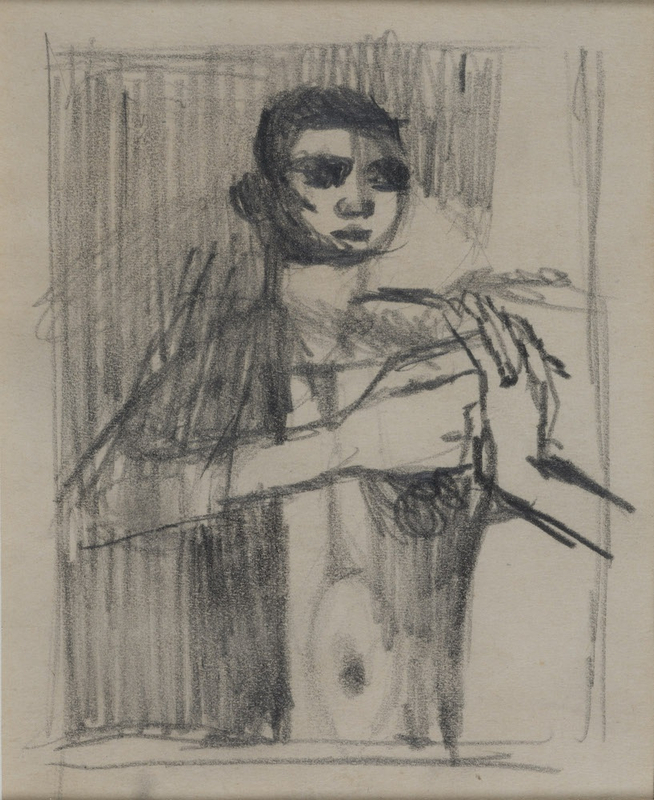 Keith VaughanUntitled (Male Nude), 1949Pencil on paper9.5 x 8.5cm%3Cdiv%20class%3D%22artist%22%3E%3Cspan%20class%3D%22artist%22%3E%3Cstrong%3EKeith%20Vaughan%3C/strong%3E%3C/span%3E%3C/div%3E%0D%3Cdiv%20class%3D%22title%22%3E%3Cem%3EUntitled%20%28Male%20Nude%29%3C/em%3E%2C%201949%3C/div%3E%0D%3Cdiv%20class%3D%22medium%22%3EPencil%20on%20paper%3C/div%3E%0D%3Cdiv%20class%3D%22dimensions%22%3E9.5%20x%208.5cm%3C/div%3E
-
 Keith VaughanYellow Seated Figure, 1949Gouache on paper50.5 x 38 cm%3Cdiv%20class%3D%22artist%22%3E%3Cspan%20class%3D%22artist%22%3E%3Cstrong%3EKeith%20Vaughan%3C/strong%3E%3C/span%3E%3C/div%3E%0D%3Cdiv%20class%3D%22title%22%3E%3Cem%3EYellow%20Seated%20Figure%3C/em%3E%2C%201949%3C/div%3E%0D%3Cdiv%20class%3D%22medium%22%3EGouache%20on%20paper%3C/div%3E%0D%3Cdiv%20class%3D%22dimensions%22%3E50.5%20x%2038%20cm%3C/div%3E
-
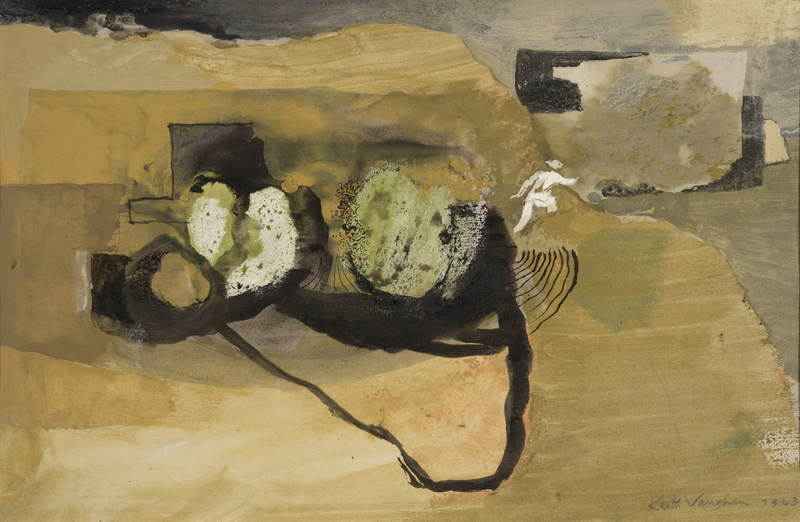 Keith VaughanBoulders on a Cliff Path, 1943Gouache on paper18 x 28 cmSigned and dated lower right, titled verso%3Cdiv%20class%3D%22artist%22%3E%3Cspan%20class%3D%22artist%22%3E%3Cstrong%3EKeith%20Vaughan%3C/strong%3E%3C/span%3E%3C/div%3E%0D%3Cdiv%20class%3D%22title%22%3E%3Cem%3EBoulders%20on%20a%20Cliff%20Path%3C/em%3E%2C%201943%3C/div%3E%0D%3Cdiv%20class%3D%22signed_and_dated%22%3ESigned%20and%20dated%20lower%20right%2C%20titled%20verso%3C/div%3E%0D%3Cdiv%20class%3D%22medium%22%3EGouache%20on%20paper%3C/div%3E%0D%3Cdiv%20class%3D%22dimensions%22%3E18%20x%2028%20cm%3C/div%3E
-
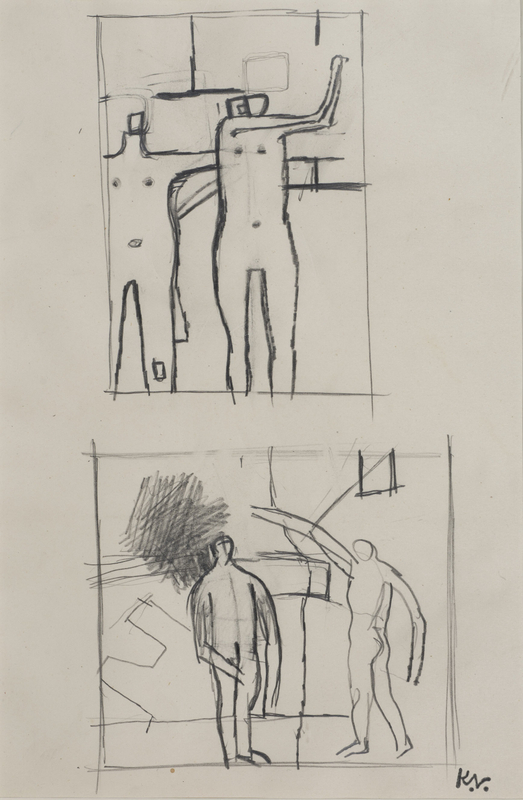 Keith VaughanNude studiesPencil on paper25 x 17 cmInitialled lower right%3Cdiv%20class%3D%22artist%22%3E%3Cspan%20class%3D%22artist%22%3E%3Cstrong%3EKeith%20Vaughan%3C/strong%3E%3C/span%3E%3C/div%3E%0D%3Cdiv%20class%3D%22title%22%3E%3Cem%3ENude%20studies%3C/em%3E%3C/div%3E%0D%3Cdiv%20class%3D%22signed_and_dated%22%3EInitialled%20lower%20right%3C/div%3E%0D%3Cdiv%20class%3D%22medium%22%3EPencil%20on%20paper%3C/div%3E%0D%3Cdiv%20class%3D%22dimensions%22%3E25%20x%2017%20cm%3C/div%3E
-
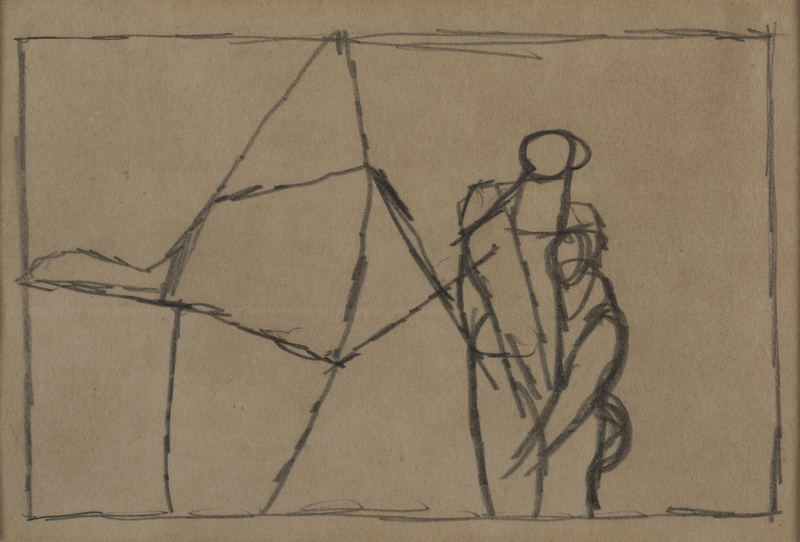 Keith VaughanTwo FiguresPencil on paper8 x 12 cm%3Cdiv%20class%3D%22artist%22%3E%3Cspan%20class%3D%22artist%22%3E%3Cstrong%3EKeith%20Vaughan%3C/strong%3E%3C/span%3E%3C/div%3E%0D%3Cdiv%20class%3D%22title%22%3E%3Cem%3ETwo%20Figures%3C/em%3E%3C/div%3E%0D%3Cdiv%20class%3D%22medium%22%3EPencil%20on%20paper%3C/div%3E%0D%3Cdiv%20class%3D%22dimensions%22%3E8%20x%2012%20cm%3C/div%3E
Related content
-
 Exhibitions
St Ives at The Redfern
A summer celebration of St Ives, past and present 15 Jul - 5 Sep 2026View the e-catalogue For over a century, St Ives has occupied a significant place within...Read more -
 Publications
Modern British Art
Spring Exhibition Mar 14, 2023A fully illustrated catalogue to coincide with the exhibition 'Modern British Art: Spring Exhibition' held...Read more
-
 Exhibitions
Masterpiece 2022
Stand 303 30 Jun - 6 Jul 2022The Redfern Gallery are pleased to present a collection of Modern British Art and beyond...Read more -
 Exhibitions
Spring Exhibition 2022
A Selection of Works by Modern British Artists 13 Apr - 6 May 2022Our Spring Exhibition includes a selection of paintings and works on paper by Modern British...Read more
-
 News
On this day in February...
Important events from The Redfern Gallery archives Jan 26, 2022The latest entry as part of a regular feature providing a summary of important historical...Read more -
 News
On this day in November...
Important events from The Redfern Gallery archives Nov 7, 2021The latest entry as part of a new, regular feature providing a summary of important...Read more
-
 Exhibitions
Spring Exhibition
Modern British Art 4 Mar - 30 Apr 2020This spring exhibition of Modern British Art includes paintings and sculpture by Eileen Agar, Alan...Read more -
 News
The Redfern at Masterpiece London
Jun 24, 2019The Redfern Gallery will be showing again at Masterpiece London, where a number of works...Read more
-
 Exhibitions
Spring Exhibition
Modern British Art 13 Mar - 31 May 2019This spring exhibition of Modern British art includes paintings and sculpture by Eileen Agar, Francis...Read more -
 Exhibitions
Summer Exhibition
Modern Master Prints & Contemporary Prints & Works on Paper 19 Jul - 3 Sep 2016“As one might expect from the Redfern Gallery, there is a most up-to-date display of...Read more
